
The Evolution of Fashion: A Journey Through Time and Culture

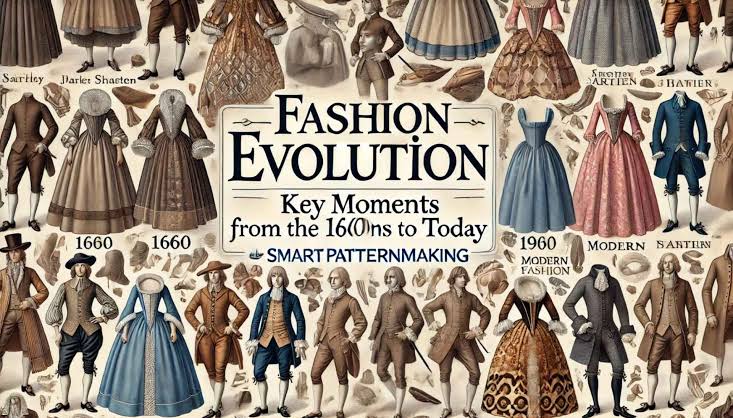
Fashion is more than just clothing—it’s a living, breathing reflection of who we are, where we’ve been, and where we’re going. The evolution of fashion is a story of creativity, rebellion, and identity, woven into the fabric of human history. From the linen robes of ancient Egypt to the bold streetwear of today, fashion has always been a powerful tool for self-expression and cultural transformation. In this exploration of the evolution of fashion, we’ll travel through time, uncovering how clothing has shaped—and been shaped by—the world around us.
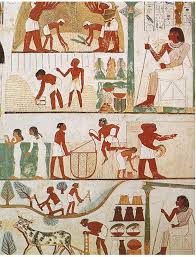
Imagine standing in the bustling markets of ancient Egypt, where linen flowed like water and gold gleamed under the sun. Clothing wasn’t just practical; it was a symbol of status and divinity. Pharaohs draped themselves in finely pleated garments, while commoners wore simpler tunics. Jewelry wasn’t just decoration—it was a talisman, a connection to the gods. In ancient Rome, the toga became a canvas for identity. A plain white toga marked a citizen, while a purple stripe signified power and nobility. Fashion, even then, was a language—a way to say, “This is who I am.”
1. Ancient Beginnings: The Roots of the Evolution of Fashion
The evolution of fashion begins in the ancient world, where clothing was both practical and symbolic. In ancient Egypt, for example, fashion was deeply tied to status and spirituality. Pharaohs wore finely pleated linen garments adorned with gold and jewels, while commoners dressed in simpler tunics. The use of color was also significant: white symbolized purity, while blue and gold represented divinity and power. In ancient Greece and Rome, fashion became a way to distinguish social roles. The Greek chiton and Roman toga were more than just garments—they were statements of identity. A Roman citizen’s toga, for instance, could indicate their rank, profession, or even political allegiance. The evolution of fashion in these early civilizations laid the groundwork for clothing as a form of communication.
2. The Middle Ages: Fashion as a Symbol of Power and Piety
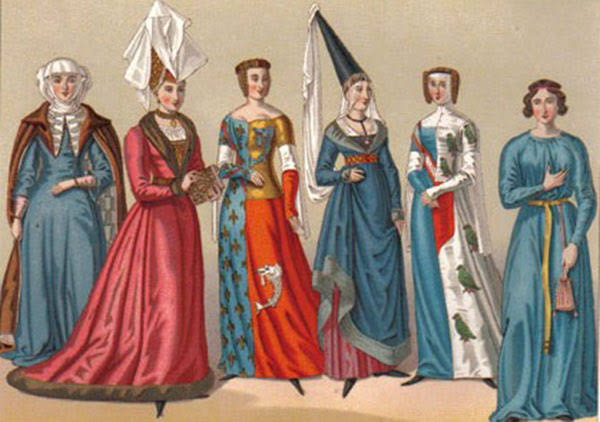
As we move into the Middle Ages, the evolution of fashion takes on new layers of meaning. During this time, clothing was heavily influenced by religion and social hierarchy. In Europe, sumptuary laws dictated what people could wear based on their class, ensuring that fashion remained a marker of status. Nobility wore luxurious fabrics like silk and velvet, often embellished with intricate embroidery and fur. Peasants, on the other hand, dressed in rough wool or linen. Yet even within these constraints, creativity flourished. The evolution of fashion during the Middle Ages also saw the rise of tailoring, as garments became more fitted and detailed. The Renaissance period marked a turning point in the evolution of fashion. Clothing became a form of art, with elaborate designs and rich fabrics reflecting the era’s emphasis on beauty and humanism. Think of the iconic portraits of Queen Elizabeth I, her ruffled collars and jewel-encrusted gowns embodying both power and elegance.
3. The Industrial Revolution: Fashion for the Masses
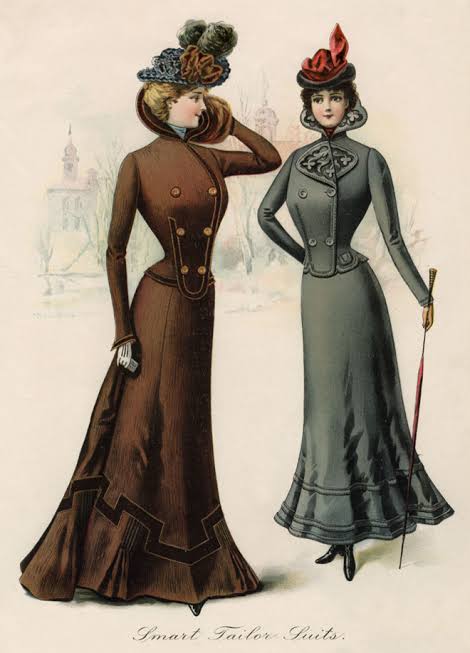
The evolution of fashion took a dramatic leap forward during the Industrial Revolution. The invention of the sewing machine and the rise of factory production made clothing more affordable and accessible than ever before. For the first time, fashion wasn’t just for the elite—it was for everyone. This era also saw the birth of department stores and ready-to-wear clothing, revolutionizing how people shopped and dressed. However, the evolution of fashion. during this time wasn’t without its challenges. The mass production of clothing led to a loss of individuality, as people began to dress more alike. Yet even in this era of uniformity, fashion remained a tool for self-expression. The suffragettes, for example, used clothing to make a political statement, wearing white, purple, and green to symbolize their fight for equality. The evolution of fashion during the Industrial Revolution set the stage for the democratization of style in the centuries to come.
- The 20th Century: A Century of Fashion Revolutions
The 20th century was a period of rapid change and innovation in the evolution of fashion. Each decade brought its own unique style, reflecting the social and cultural shifts of the time.
- The 1920s: The flapper era redefined women’s fashion, with shorter hemlines, loose silhouettes, and bold accessories. This was a time of liberation and rebellion, as women embraced new freedoms and rejected traditional norms.
- The 1950s: Post-war prosperity brought a return to glamour, with Christian Dior’s “New Look” emphasizing cinched waists and full skirts. Fashion became a symbol of optimism and elegance.
- The 1960s and 70s: The counterculture movement turned fashion into a form of protest. Hippies embraced tie-dye, bell-bottoms, and fringe, while punk rockers in the 70s ripped, safety-pinned, and spiked their way into history.
- The 1980s: Excess was the name of the game, with bold colors, oversized silhouettes, and power suits dominating the scene. Fashion became a statement of confidence and ambition.
- The 1990s: The grunge movement brought a raw, minimalist aesthetic, while hip-hop fashion introduced baggy jeans, sneakers, and streetwear to the mainstream.
The evolution of fashion in the 20th century was a testament to the power of clothing as a form of self-expression and cultural commentary.
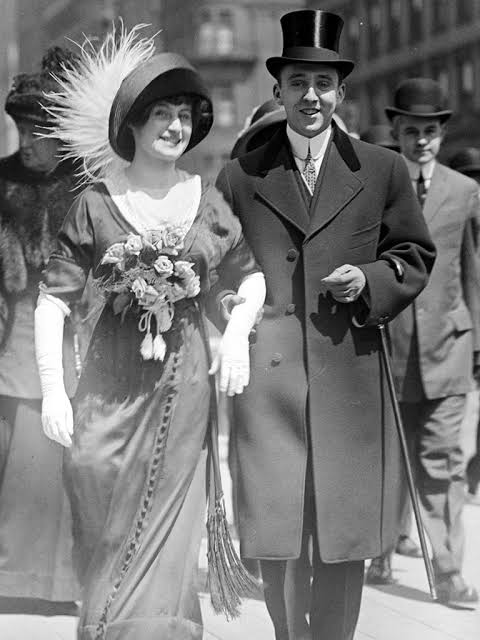
5. The 21st Century: Fashion in the Digital Age
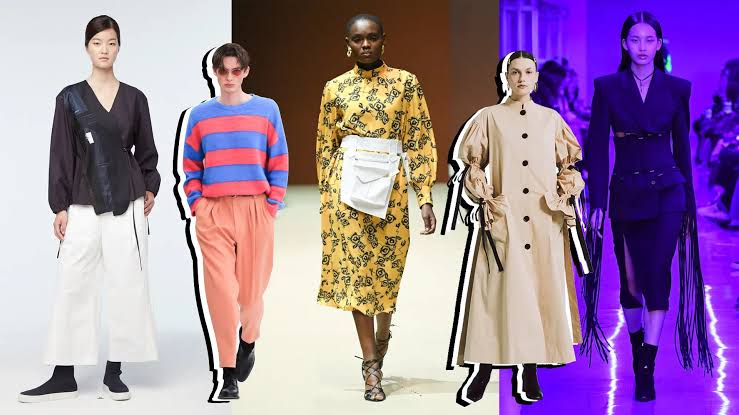
Today, the evolution of fashion is shaped by technology, globalization, and sustainability. Social media has democratized fashion, allowing anyone to become a trendsetter. Platforms like Instagram and TikTok have turned street style into a global phenomenon, while online shopping has made fashion more accessible than ever. However, the evolution of fashion in the 21st century also faces challenges. The rise of fast fashion has led to environmental and ethical concerns, prompting a growing movement toward sustainable and ethical practices. Designers and consumers alike are rethinking how clothing is made, worn, and discarded. At the same time, fashion remains a powerful tool for self-expression. From gender-fluid clothing to cultural fusion, the evolution of fashion continues to reflect the diversity and complexity of modern life.
6. The Future of Fashion: What’s Next in the Evolution of Fashion?
As we look to the future, the evolution of fashion shows no signs of slowing down. Advances in technology, such as 3D printing and smart fabrics, promise to revolutionize how we design and wear clothing. Virtual fashion and digital avatars are blurring the lines between the physical and digital worlds, opening up new possibilities for creativity and expression. Sustainability will also play a key role in the evolution of fashion. From upcycling and circular fashion to biodegradable materials, the industry is exploring innovative ways to reduce its environmental impact. Ultimately, the evolution of fashion is a reflection of our collective journey as humans. It’s a story of identity, creativity, and resilience—a reminder that clothing is more than just fabric. It’s a way to tell the world who we are and who we aspire to be.

The evolution of fashion is a testament to the enduring power of clothing as a form of art, communication, and identity. As we continue to navigate the complexities of the modern world, fashion will remain a vibrant and dynamic force, shaping—and shaped by—the world around us.
The Emotional Core of Fashion
Fashion isn’t just about fabric and thread; it’s about identity, memory, and hope. It’s the wedding dress that makes you feel like a queen, the worn-out sweater that smells like home, the bold outfit that gives you the courage to walk into a room and own it. As we move forward, fashion will continue to evolve, shaped by technology, culture, and the endless creativity of the human spirit. But one thing will never change: fashion is, and always will be, a mirror of who we are—and who we dream of becoming.
Interesting
Thank you